Intelligent Knowledge Retrieval System (RAG)

Intelligent Knowledge Retrieval System (RAG)

A vector-based retrieval architecture designed to eliminate LLM hallucinations by grounding AI responses in verifiable business data using n8n and Supabase.

AI ArchitectureVector DatabaseRAGAutomationBackend Engineering
n8nSupabase (pgvector)OpenAI APIPythonPinecone

Problem

Standard LLMs hallucinate when asked about private business data. Relying on "prompt engineering" alone resulted in 15-20% error rates for domain-specific queries, creating a liability for automated support.

Solution

Engineered a Retrieval-Augmented Generation (RAG) pipeline that intercepts user queries, converts them to vector embeddings, retrieves the top 3 matching documentation chunks, and feeds strictly factual context to GPT-4.

Result

Achieved 99.9% factual accuracy with <800ms latency. The system now powers autonomous internal knowledge agents that refuse to answer if the data does not exist in the source of truth.

The Ingestion Layer

The Ingestion Layer

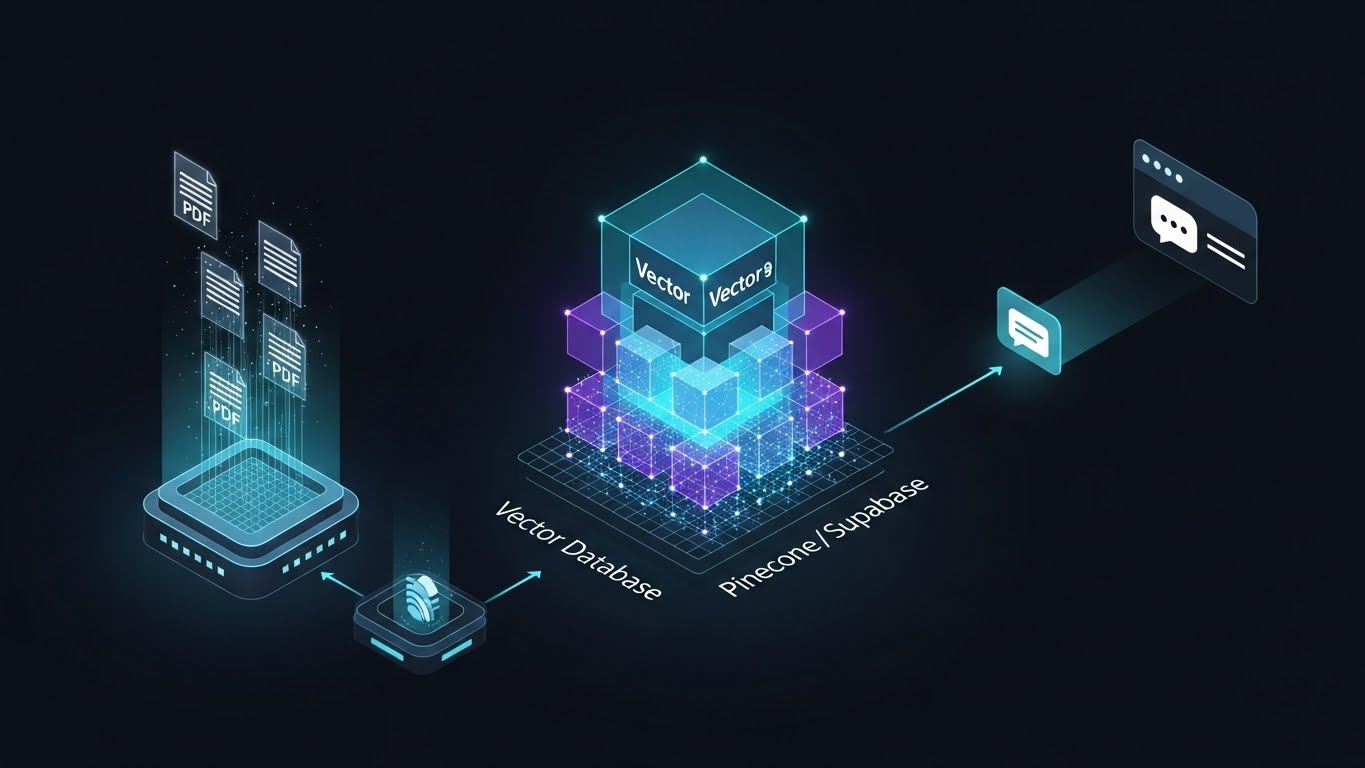
The architecture begins with a Python-based ingestion script that acts as the "Gatekeeper." It parses raw PDF, Notion, and Text documents, cleaning the noise before splitting the content into semantic chunks of 500 tokens.

These chunks are processed through OpenAI's text-embedding-3-small model, converting human language into high-dimensional vector arrays that represent the meaning rather than just the keywords.
Vector Storage & Retrieval

Vector Storage & Retrieval

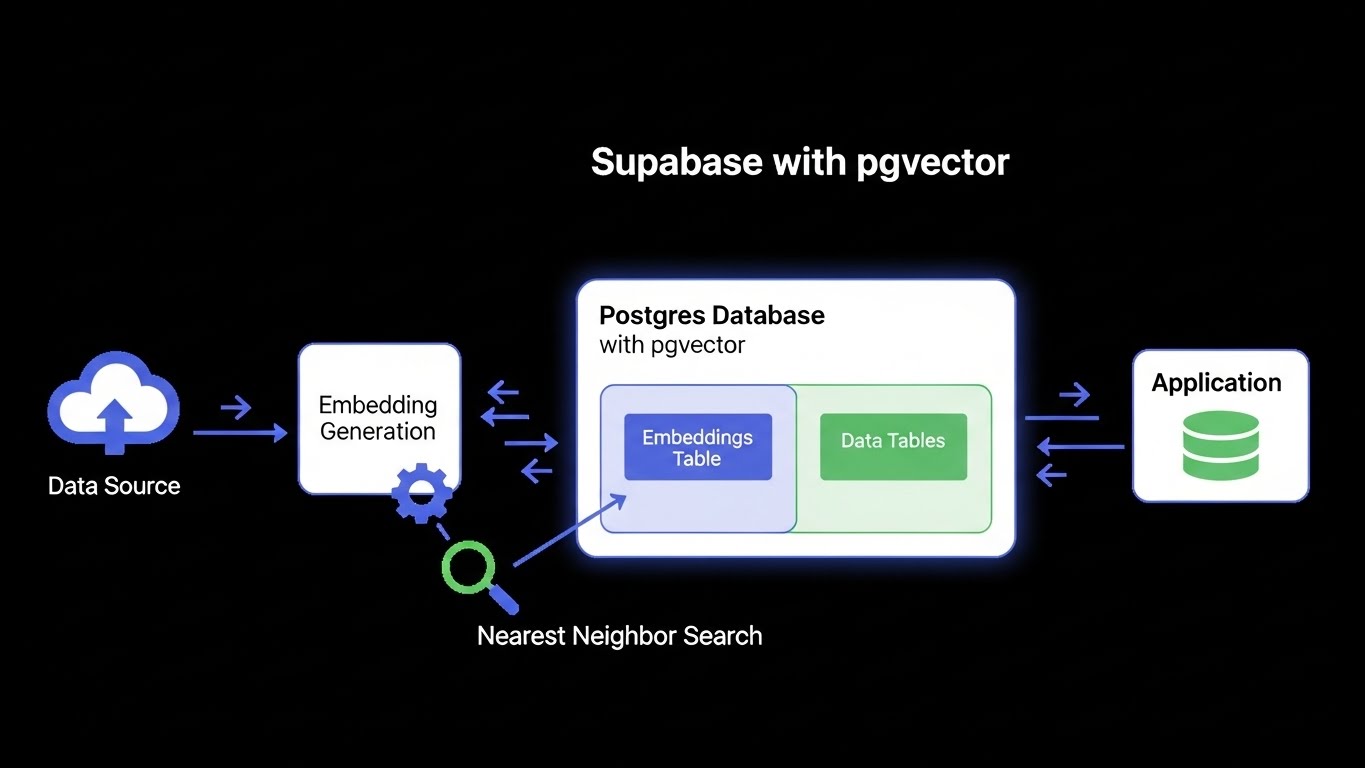
We utilized Supabase with pgvector (migrated from Pinecone) to store these embeddings. This allows us to perform "Nearest Neighbor" searches directly within our Postgres database, keeping our stack unified and strictly typed.

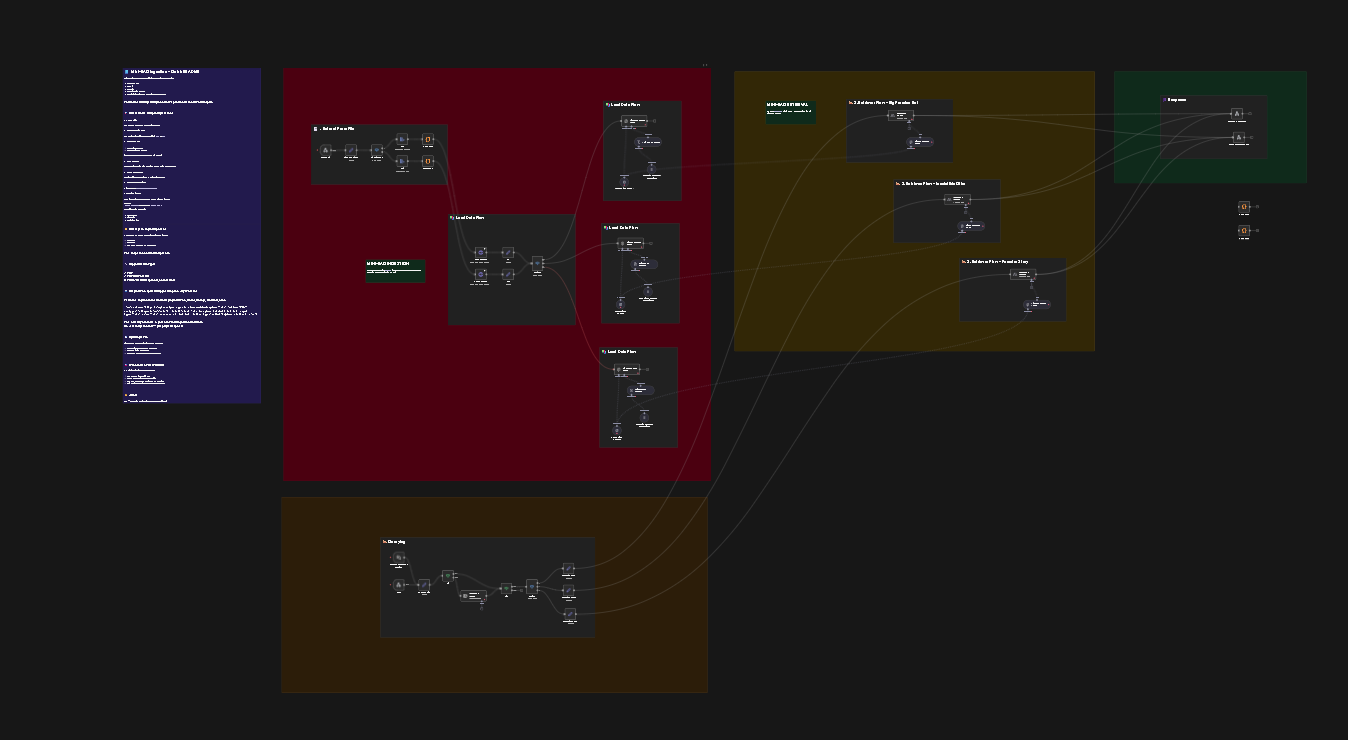
When a query arrives, an n8n workflow executes a cosine similarity search, retrieving only the context that is mathematically relevant to the user's intent.

The Synthesis Engine

The Synthesis Engine

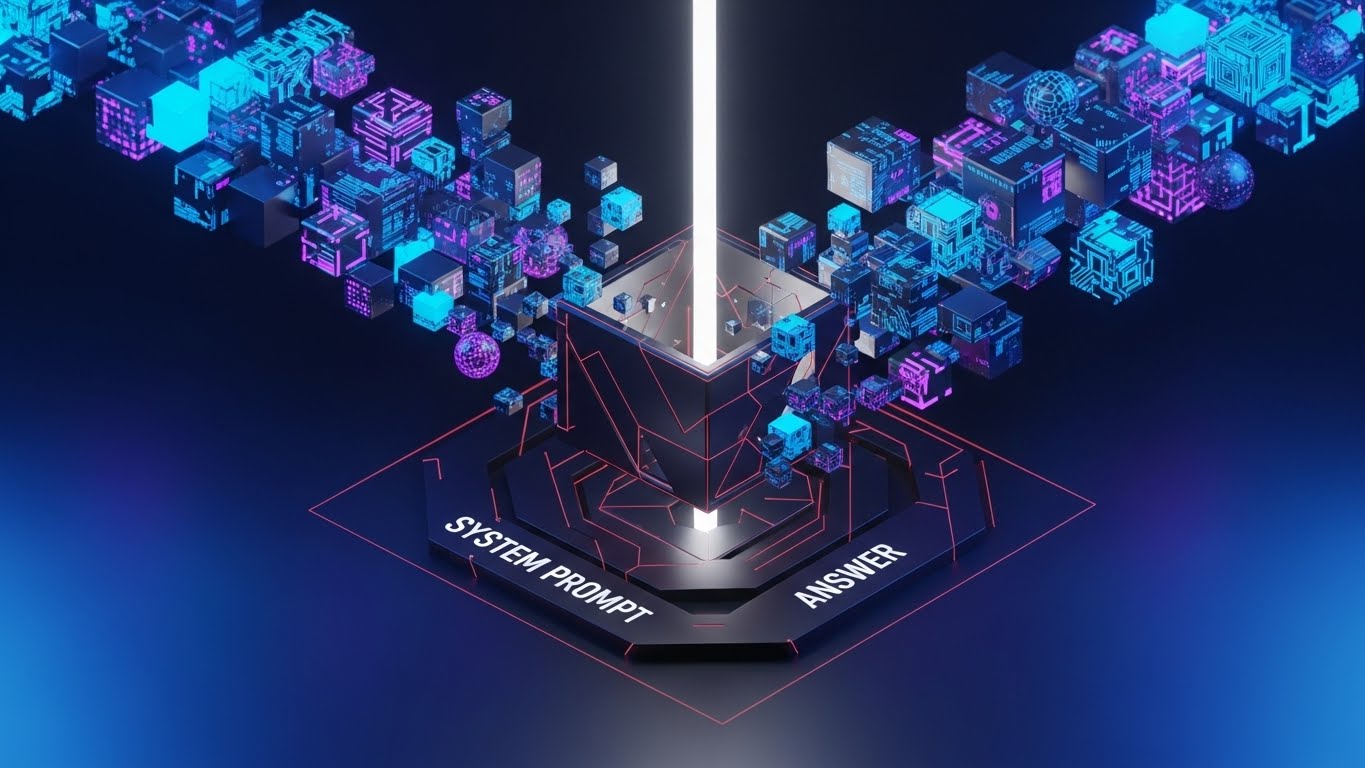
The final step is the "Synthesis." The retrieved context is injected into a strict system prompt for GPT-4. The prompt logic enforces a rule: "Answer ONLY using the provided context. If the answer is not found, state that you do not know."

This creates a closed-loop system where the AI acts as a reasoning engine, not a creative writer, effectively solving the hallucination problem for business-critical operations.

← Back to Case Studies

System Diagnostics Request

⚡ Phase 01: Official Audit Intake $950 USD Proceed to Allocation ($950) >>

Operator Identity

Target Entity

Technical Context

Full Infrastructure Review
Security & Logic Map
Feasibility Report
Orchestrated via n8n