
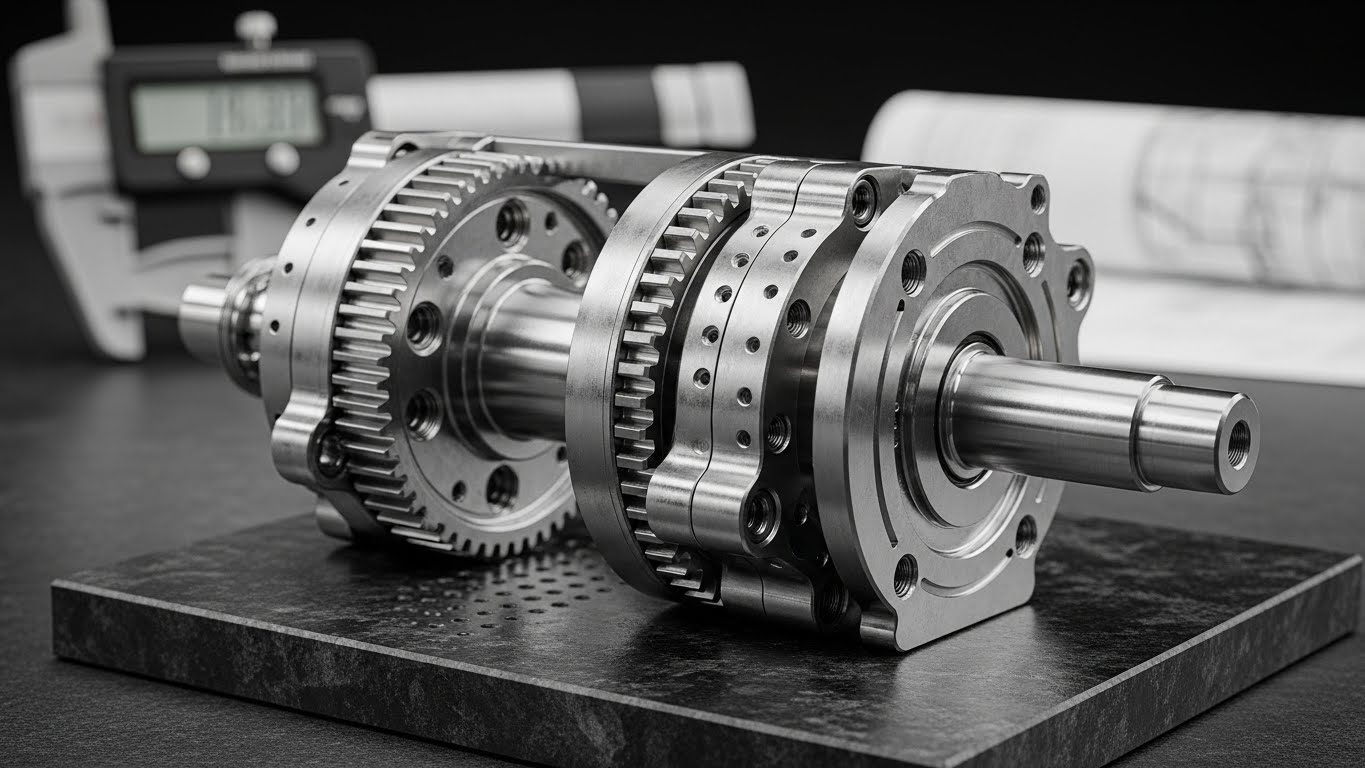
Industrial Servo-Logic & Precision Engineering

Industrial Servo-Logic & Precision Engineering

Architecting high-speed, servo-driven industrial machinery with zero-fault tolerance. From vacuum leak testers to pneumatic transfer systems, applying mechatronic principles to modern digital workflows.

MechatronicsIndustrial AutomationZero-Fault Tolerance
Festo PneumaticsServo-Motion ControlIndustrial PLC LogicTechnical Documentation (SOPs).

Problem

High-volume manufacturing lines (e.g., PCB casing or tin punching) often suffer from mechanical jitter and asynchronous data logging, leading to downtime and material waste.

Solution

Servo-Driven Precision: Implemented synchronized multi-axis control to ensure sub-millimeter accuracy in component placement. Pneumatic Integration: Engineered high-speed transfer systems using Festo-standard pneumatics for rapid cycle times. System Hardening: Designed fail-safe logic loops that halt production instantly upon sensor deviation, preventing cascading failures.

Result

Reliability: Achieved 99.9% uptime on the assembly line. Scalability: Developed technical documentation and SOPs that allowed for rapid duplication of the machine architecture across multiple factory floors.

The High-Stakes Friction of Industrial Output
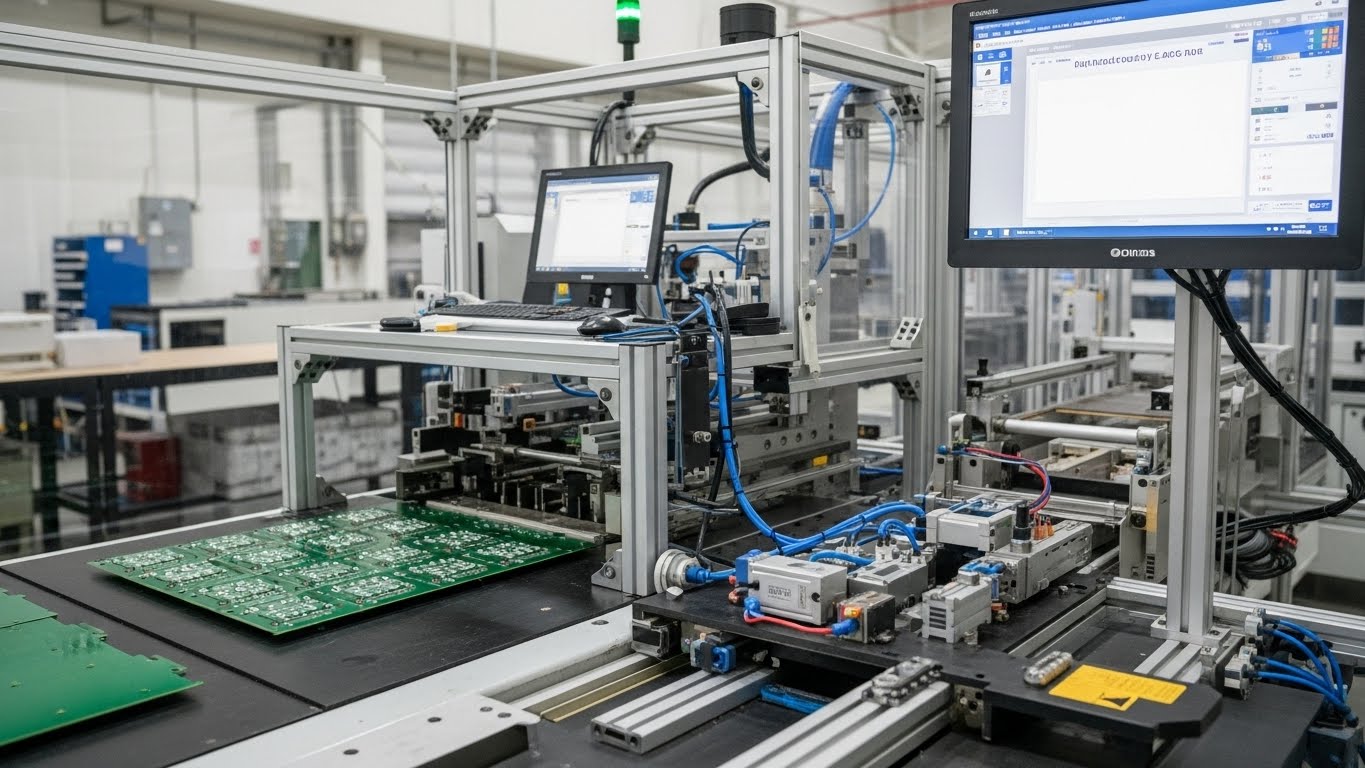
The High-Stakes Friction of Industrial Output

In high-volume manufacturing environments, such as PCB casing and tin-punching assemblies, even a micro-second of desynchronization in servo-logic can lead to catastrophic material waste and mechanical downtime. The challenge was to architect a system that moved beyond simple "on/off" logic to a state of zero-fault tolerance using precision mechatronics.

Implementing Synchronized Servo-Control

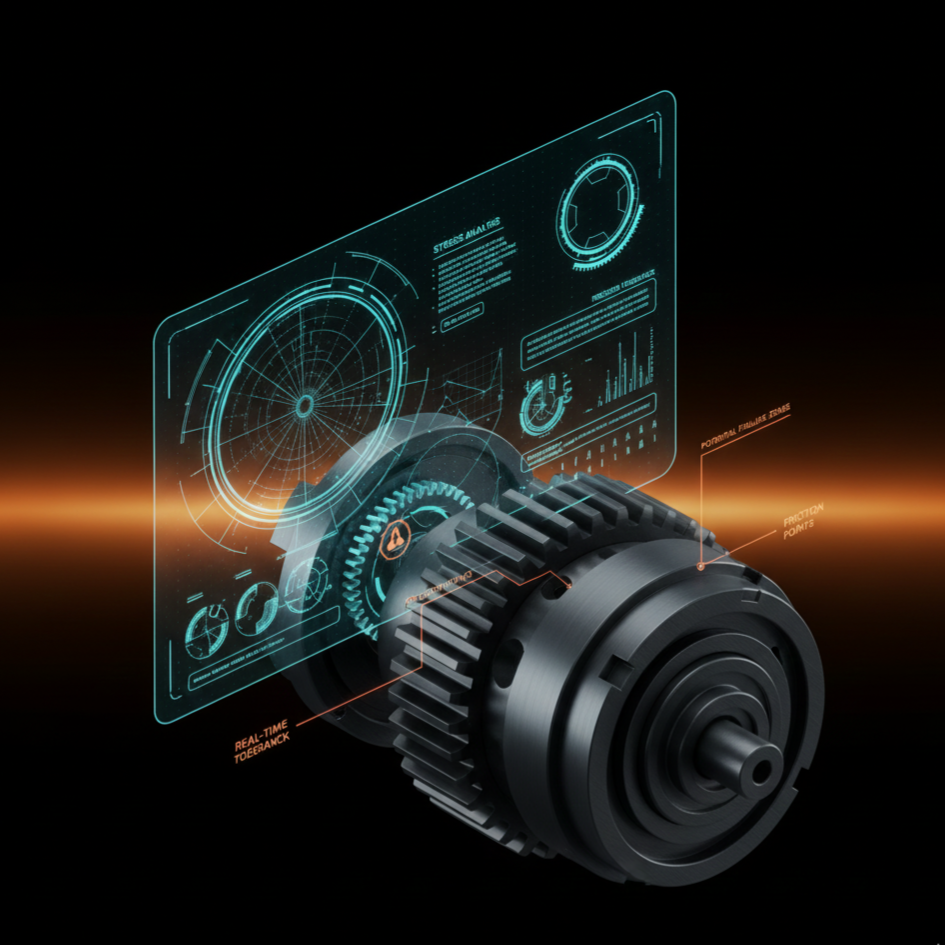
Implementing Synchronized Servo-Control

Utilizing a mechatronic framework rooted in Festo standards, I engineered a multi-axis control system that integrated pneumatic transfer assemblies with high-precision servo motors. The architecture prioritized idempotency—ensuring that the thousandth cycle was as precise as the first. This involved hard-coding safety interrupts and real-time sensor feedback loops to mitigate cascading failures before they occurred.

The Floor-to-Efficiency Standard

The Floor-to-Efficiency Standard

The implementation resulted in a 99.9% uptime rate across the production line, significantly reducing Mean Time To Recovery (MTTR). By applying these rigorous industrial standards to the digital automation stack, we established a "Peace of Mind" SLA that allows stakeholders to scale production without the fear of system fragmentation.

← Back to Case Studies

System Diagnostics Request

⚡ Phase 01: Official Audit Intake $950 USD Proceed to Allocation ($950) >>

Operator Identity

Target Entity

Technical Context

Full Infrastructure Review
Security & Logic Map
Feasibility Report
Orchestrated via n8n