Problem
Unplanned downtime costs large manufacturers 11% of their yearly turnover, $129M per facility. In automotive, every minute of downtime costs $22,000. The root cause is not the failure itself. It is the 45-minute human lag between detection and resolution.
Solution
An autonomous loop: AI detects the failure, matches it against a Vector Database of SOPs, then Make.com executes the fix via secure API, all in 1.2 seconds. No human intervention. No silent failures. A forensic audit report generated automatically.
Result
Response latency dropped from 45 minutes to 1.2 seconds. Throughput preserved. Zero manual retries. Recognized as Top 6 Finalist in the Make.com x MCP Global Challenge, selected from hundreds of high-caliber entries worldwide.
The Problem - The $1.5 Trillion Crisis Nobody Talks About
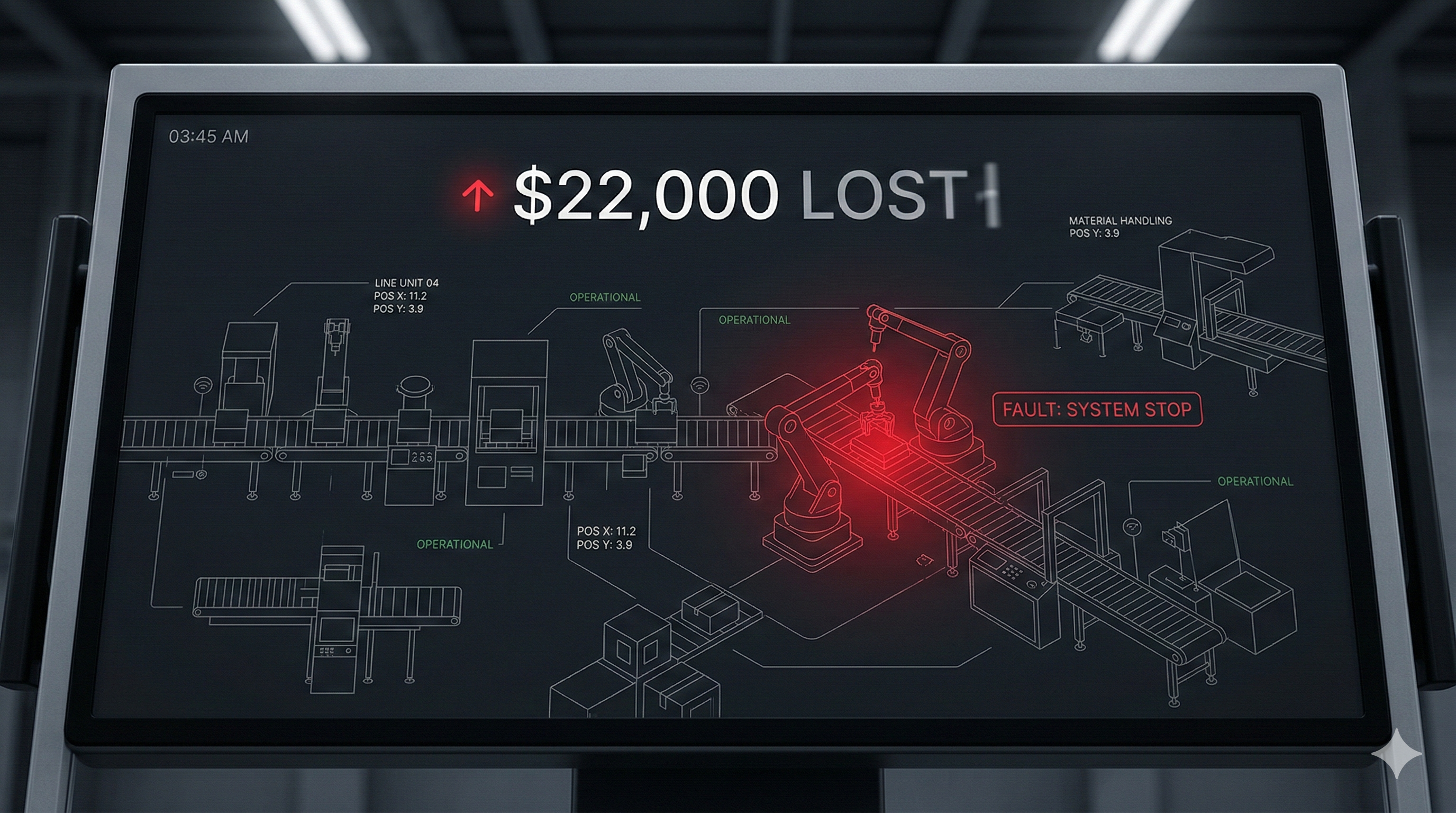
Global unplanned downtime costs $1.5 trillion annually. For Fortune Global 500 companies, that is $129 million per facility per year. In automotive manufacturing alone, every minute the line stops costs $22,000.
And the costs are rising, up 65% in recent years. Unplanned stops are 35% more expensive than planned maintenance because of idle labor, rush repairs, and reputation damage.
But here is the part nobody talks about: most of these failures are fixable. The real problem is the 45-minute human lag between detection and resolution. Engineer wakes up, investigates logs, finds the solution, implements the fix. 45 minutes. Every time.
I asked myself one question: what if the system could fix itself?
The Trigger - How It Wakes Up

The engine starts with a listener. It monitors logs 24/7, distinguishing noise from critical failures in real time.
When an anomaly is detected, a server crash, a broken workflow, a failed process, it does not send a panic alert to a human. It sends a structured signal to the autonomous loop with the failure type, context, and last known state.
That signal wakes the system up with enough information to act. Not just notify.
The Brain - AI Decides the Fix
This is where the engine becomes different from every monitoring tool.
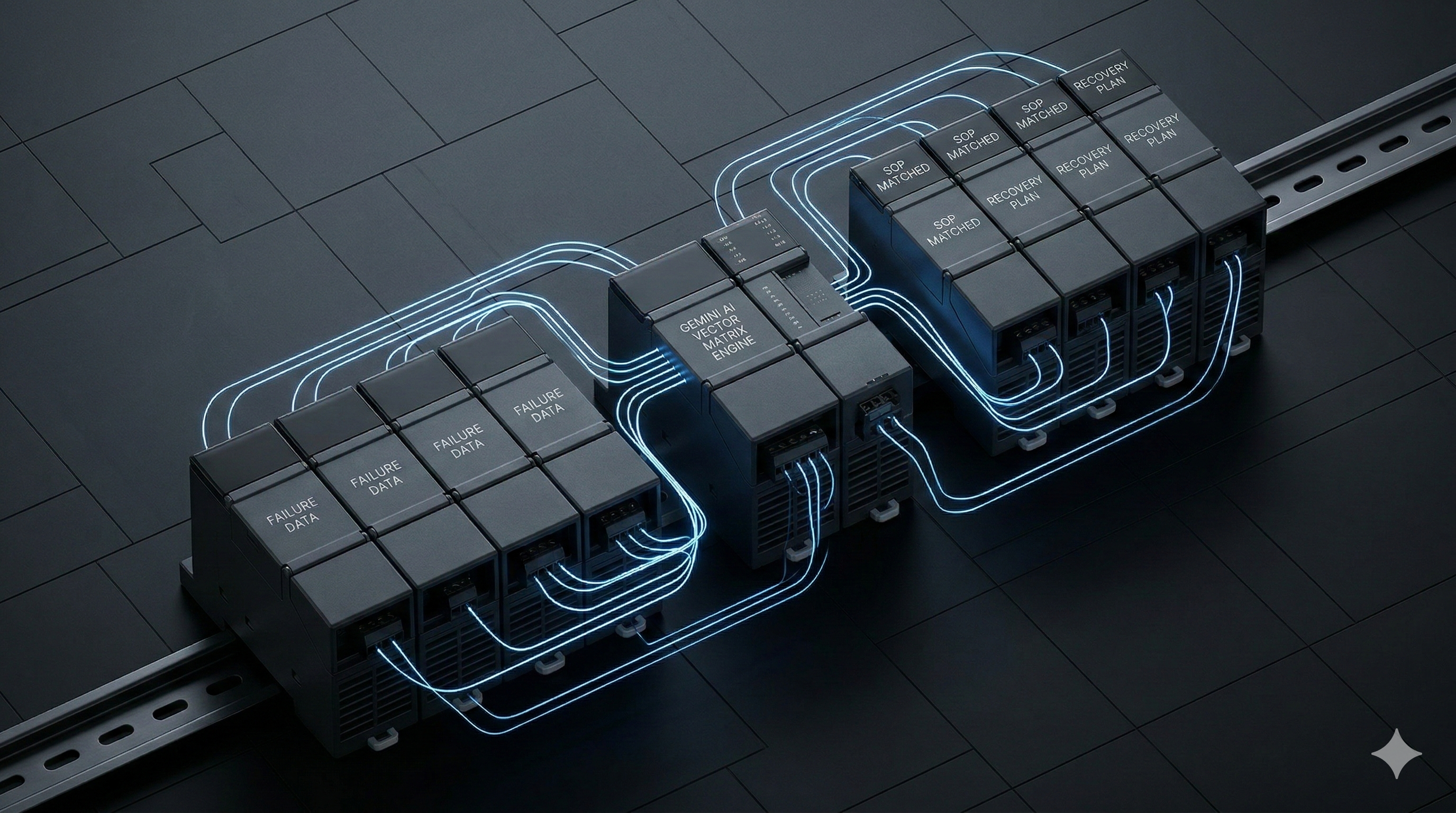
Gemini AI receives the failure signal and immediately consults a Vector Database of Standard Operating Procedures, pre-approved, verified recovery guides for known failure patterns.
No guessing. No generic template. The AI matches the exact failure to the exact SOP and prepares a precise, step-by-step recovery plan in real time.
Detection to decision: 0.4 seconds.
The Action - Make.com Executes the Heal
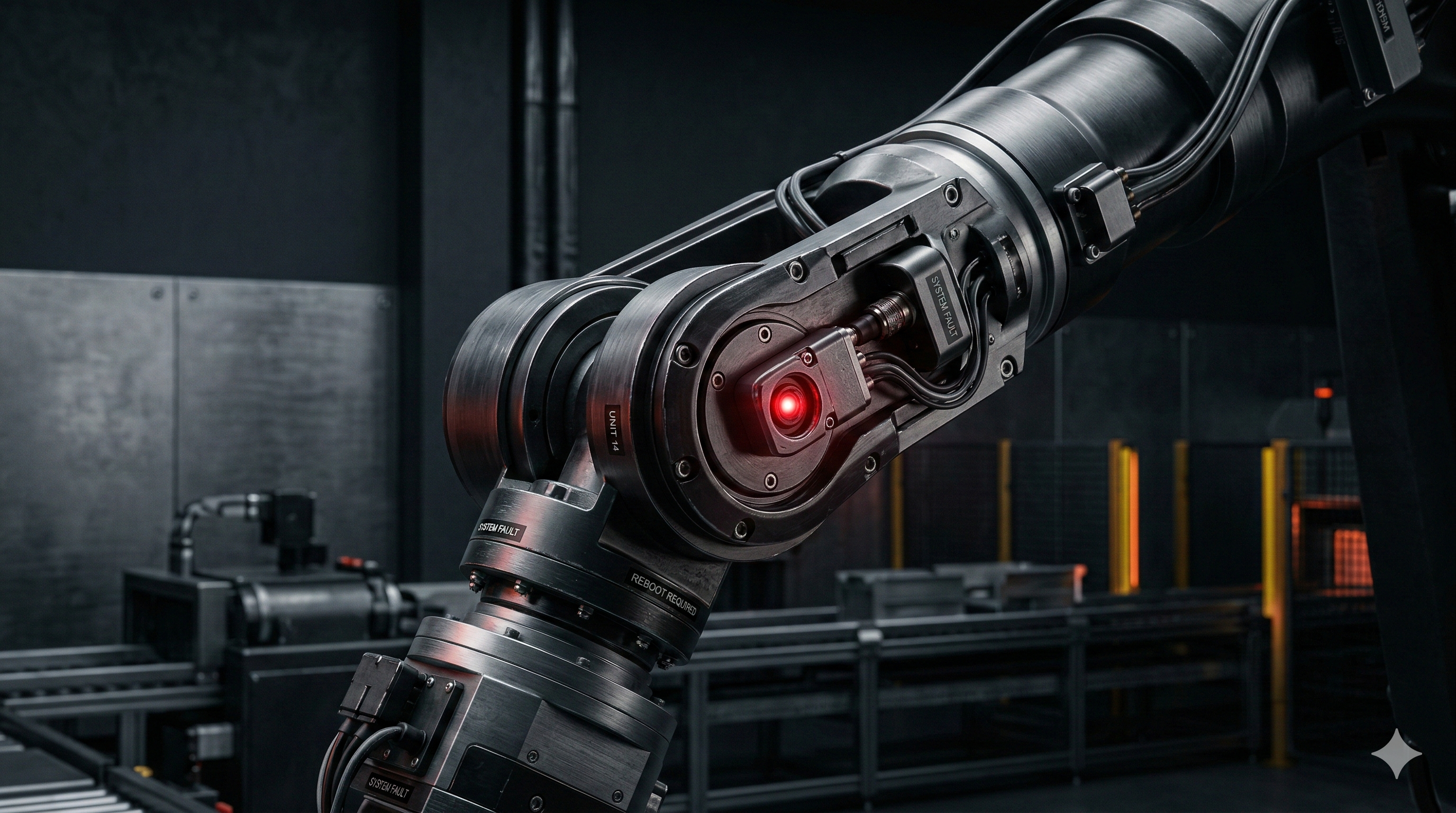
The SOP does not sit in a document. Make.com executes it.
Each step in the recovery plan is mapped to a secure API action, restarting processes, clearing queues, re-triggering workflows, or escalating to a human only when truly necessary.
The system follows its own instructions. You do nothing. The problem gets solved.
Total response latency: 1.2 seconds.
The Result - Throughput Preserved. Peace of Mind Engineered.
Implementing predictive systems like this can reduce downtime by 30-50%. Not by preventing every failure, but by eliminating the human lag that turns a 1-second problem into a 45-minute crisis.
Every incident generates a forensic audit report automatically. Every fix is documented. Every pattern is learned.
This engine was recognized as a Top 6 Finalist in the Make.com x MCP Global Challenge, selected from hundreds of high-caliber entries worldwide.
But the real result is simpler than any statistic: you sleep through the night. Your systems watch over themselves. No 3AM alerts. No manual retries. No silent failures.
This is what industrial-grade reliability looks like, applied to digital operations.
← Back to Case Studies