You're Not Buying Automation. You're Buying Back Your Time.

2026-03-04 • automation • mindset • time management • business operations • mechatronics

You're Not Buying Automation. You're Buying Back Your Time.

The Real Problem We're Solving

The Real Problem We're Solving

I have a lot of conversations with business owners. They usually start the same way. They come to me and say, 'Frank, I need to automate. I need to scale my operations,' or 'I need to cut my overhead costs.' On the surface, these are perfectly logical business goals. They are the kinds of things you read about in textbooks and business journals. But after 14 years of building complex systems, both physical and digital, I've learned that the stated problem is rarely the real problem. The real problem usually isn't on a spreadsheet. It's something much more human.

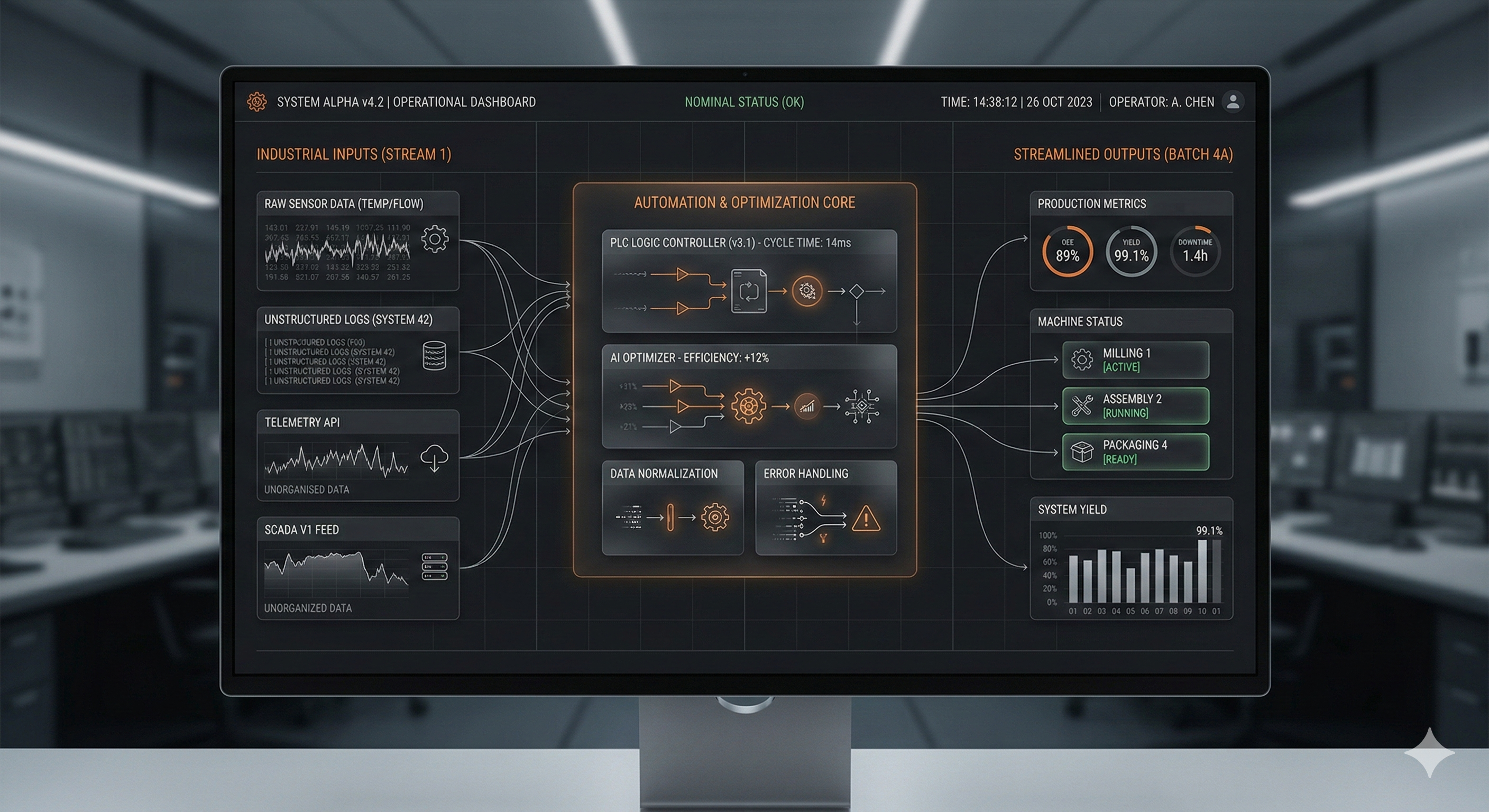
When we sit down and talk for a while, the truth comes out. The real issue is that they are exhausted. They are drowning in a sea of small, repetitive, and mind-numbing tasks that chip away at their energy every single day. They spend their Monday mornings manually copying sales data from a payment processor into a Google Sheet. They spend their Friday afternoons sending the same five onboarding emails to new clients, checking each one to make sure the name is right. This isn't the life they imagined when they started their company. They feel like a human cog in a machine they built, and it's running them into the ground. They are working for their business, instead of the other way around.

This state of constant, low-level activity is incredibly damaging. It creates a kind of mental fog that prevents any real strategic thinking. You can't possibly think about a five-year growth plan when your brain is preoccupied with whether you remembered to update cell B54 in the master tracker. You can't build meaningful relationships with your key clients when you're constantly distracted by the need to check your inbox for the next manual task. This isn't just inefficient. It's a trap. It keeps talented, driven people stuck in the role of an operator, performing the same simple function over and over, when they should be an architect, designing the future of their entire enterprise.
The Product Isn't a Script, It's Tuesday Afternoons

The Product Isn't a Script, It's Tuesday Afternoons

I use fantastic tools to solve these problems. I might build a workflow in n8n, write a custom Python script, or connect a series of APIs. But I always tell my clients that those things are not what they are buying. The technology is just the delivery mechanism, like the truck that brings you a package. The package itself, the actual product, is time. Pure and simple. You are not buying a Python script. You are buying back your Tuesday afternoons to spend with your kids or to finally read that book on strategy that's been on your shelf for a year. You are not buying an n8n workflow. You are buying the profound peace of mind that comes from knowing your client onboarding is running flawlessly at 2 AM, even while you are sound asleep.

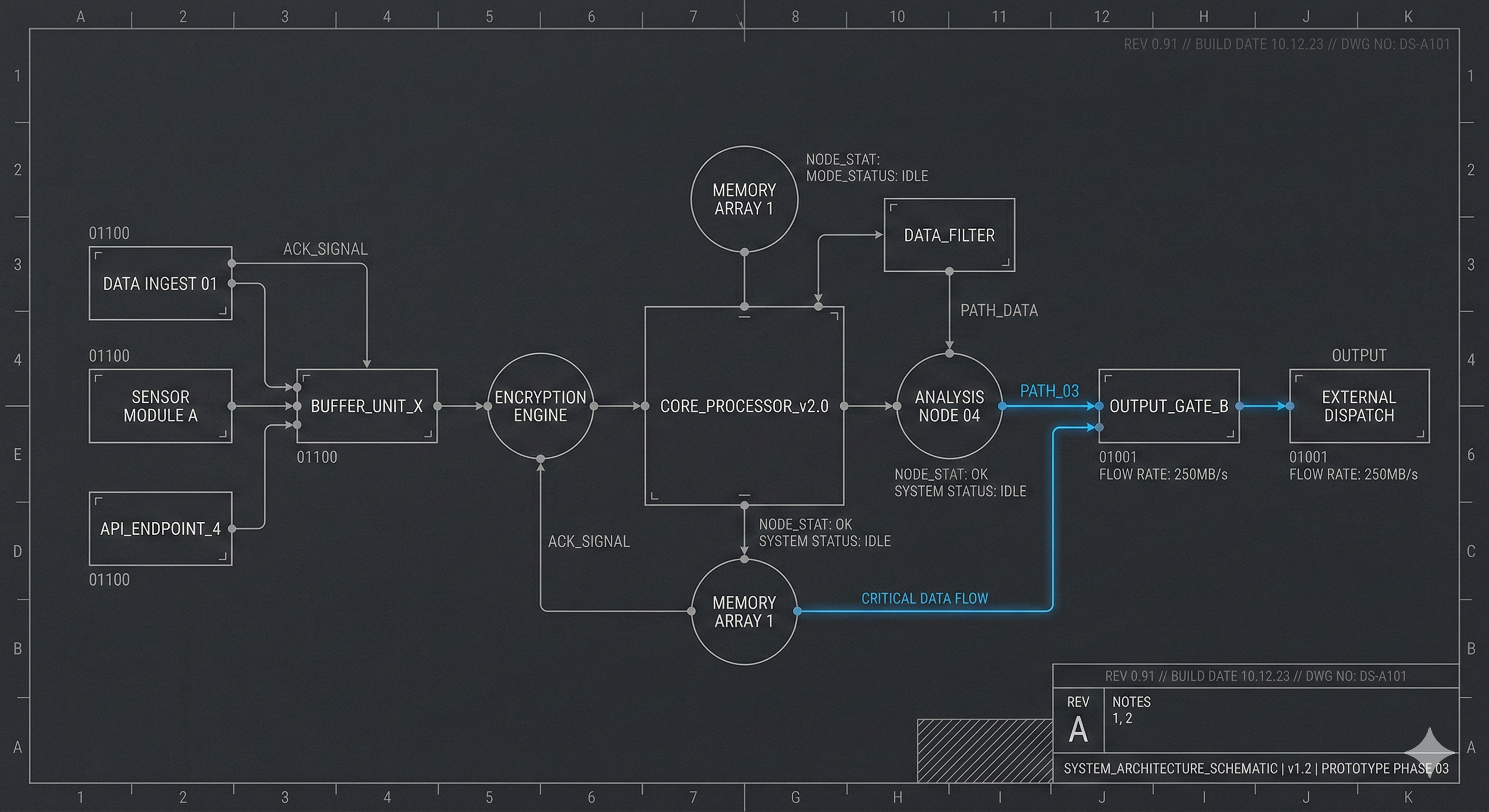
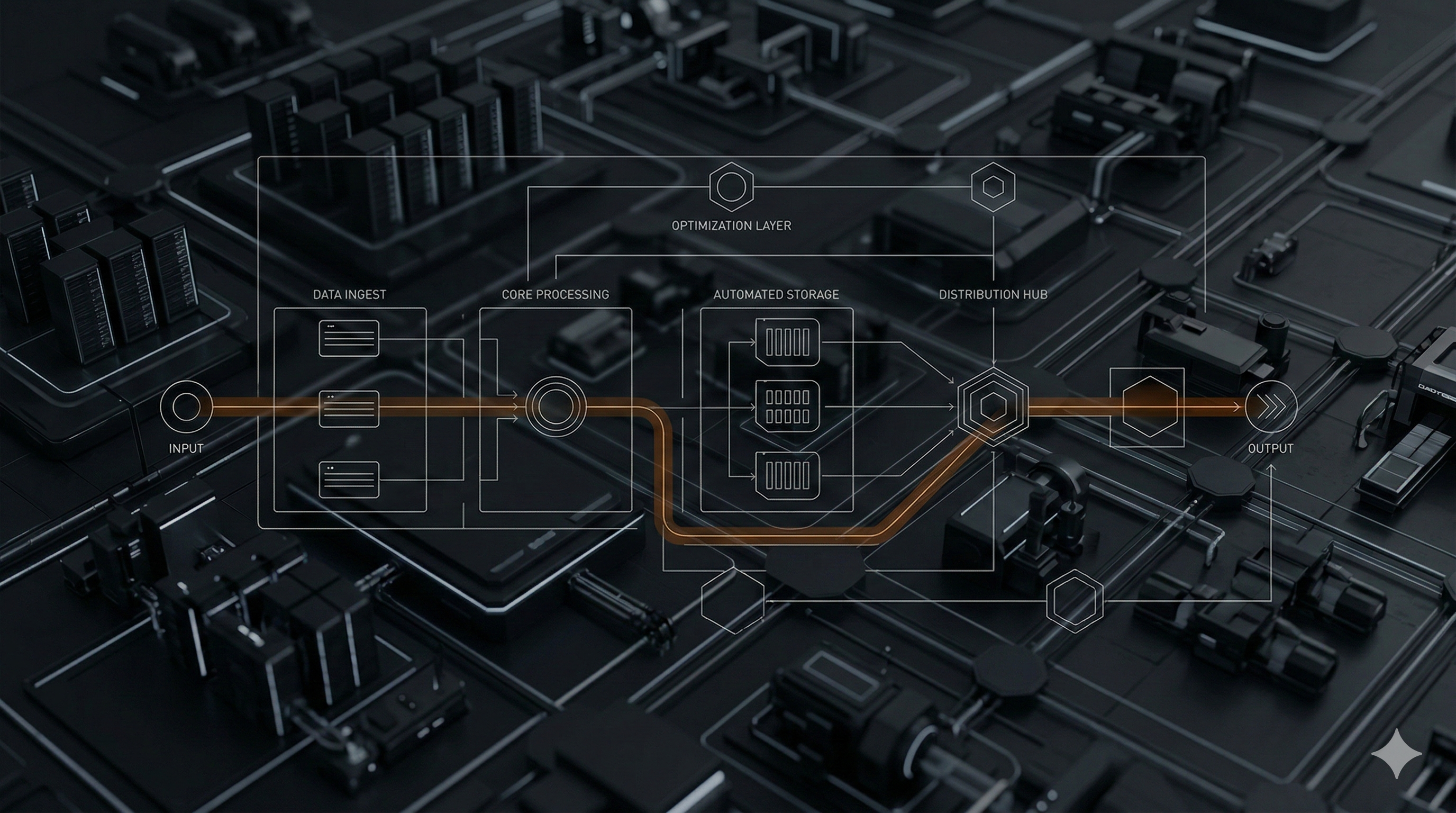
This is a concept I pull directly from my background in industrial mechatronics. When you design a sophisticated manufacturing line, you don't just make it work. You build it to be resilient. You design self-healing systems. A sensor might detect a misaligned part, and a pneumatic actuator will instantly correct it without any human intervention. There are feedback loops everywhere that monitor, diagnose, and fix problems in real-time. We apply that exact same philosophy to digital infrastructure. Your business operations shouldn't be a fragile thing that breaks if you look away for an hour. They should be a robust, self-healing system that handles errors, retries failed tasks, and alerts you only when a truly significant problem requires your attention.

When you have that level of trust in your systems, something incredible happens. The anxiety melts away. The constant need to 'check on things' disappears. You stop managing tasks and start managing outcomes. The automation becomes a bridge from a state of constant reaction to a state of intentional action. It's the difference between personally bucketing water out of a leaky boat and having a system of automated bilge pumps that keep the boat dry so you can focus on steering it toward your destination. The tools are just the pumps. The destination is a business, and a life, that you actually control.

The Mindset Shift: From Operator to Architect

The Mindset Shift: From Operator to Architect

The most profound change I see in the business owners we work with is not in their balance sheets, though that often improves too. It's in their mindset. When you are no longer the one manually moving the data, sending the emails, or generating the reports, you stop identifying as the person who *does* the work. You are freed from the role of the operator. This is a crucial and liberating transformation. It elevates you to your proper role, the role you were meant to have all along: the architect of the business.

As an architect, your job is completely different. You are not laying bricks. You are designing the building. You are thinking about the flow of people, the integrity of the structure, and how it will serve its purpose for years to come. In business terms, this means you finally have the mental bandwidth to zoom out. You can stop thinking about the next task and start thinking about the next quarter, or the next year. You can invest your time in building partnerships, mentoring your team, innovating on your products, or just talking to your customers. Your systems become your team of tireless digital employees, handling the heavy lifting and executing your vision with perfect precision, day in and day out.

This is the true power of applying industrial engineering principles to the digital world. A well-run factory doesn't depend on the factory manager personally tightening every bolt. It depends on the manager designing, monitoring, and continuously improving the assembly line. Your business is no different. Your systems are your digital assembly line. By automating the repetitive work, you are not just making things more efficient. You are fundamentally changing your relationship with your business. It stops being a taskmaster that demands your constant attention and becomes a well-oiled machine that works for you, giving you back the one resource you can never make more of. It gives you your life back.

← Back to Blog

System Diagnostics Request

⚡ Phase 01: Official Audit Intake $950 USD Proceed to Allocation ($950) >>

Operator Identity

Target Entity

Technical Context

Full Infrastructure Review
Security & Logic Map
Feasibility Report
Orchestrated via n8n