Code is Cheap. Building is Rare.

2026-08-30• mechatronics • software engineering • system design • reliability • automation • development mindset • engineering

Code is Cheap. Building is Rare.

The Code Illusion

Let's get straight to it. There's a fundamental truth I see overlooked too often in our field. It's time we called it out directly.

Code is Cheap. Building is Rare. This isn't just about cost. It's about value and complexity. It's about what truly drives progress and reliable operations.

Beyond the Syntax

Beyond the Syntax

Anyone can write code today. You know it. I know it. The barriers to entry are practically gone. You can prompt an AI, copy a snippet from the web, or write hundreds of lines in minutes. Code generation is faster than ever. It democratizes many tasks.

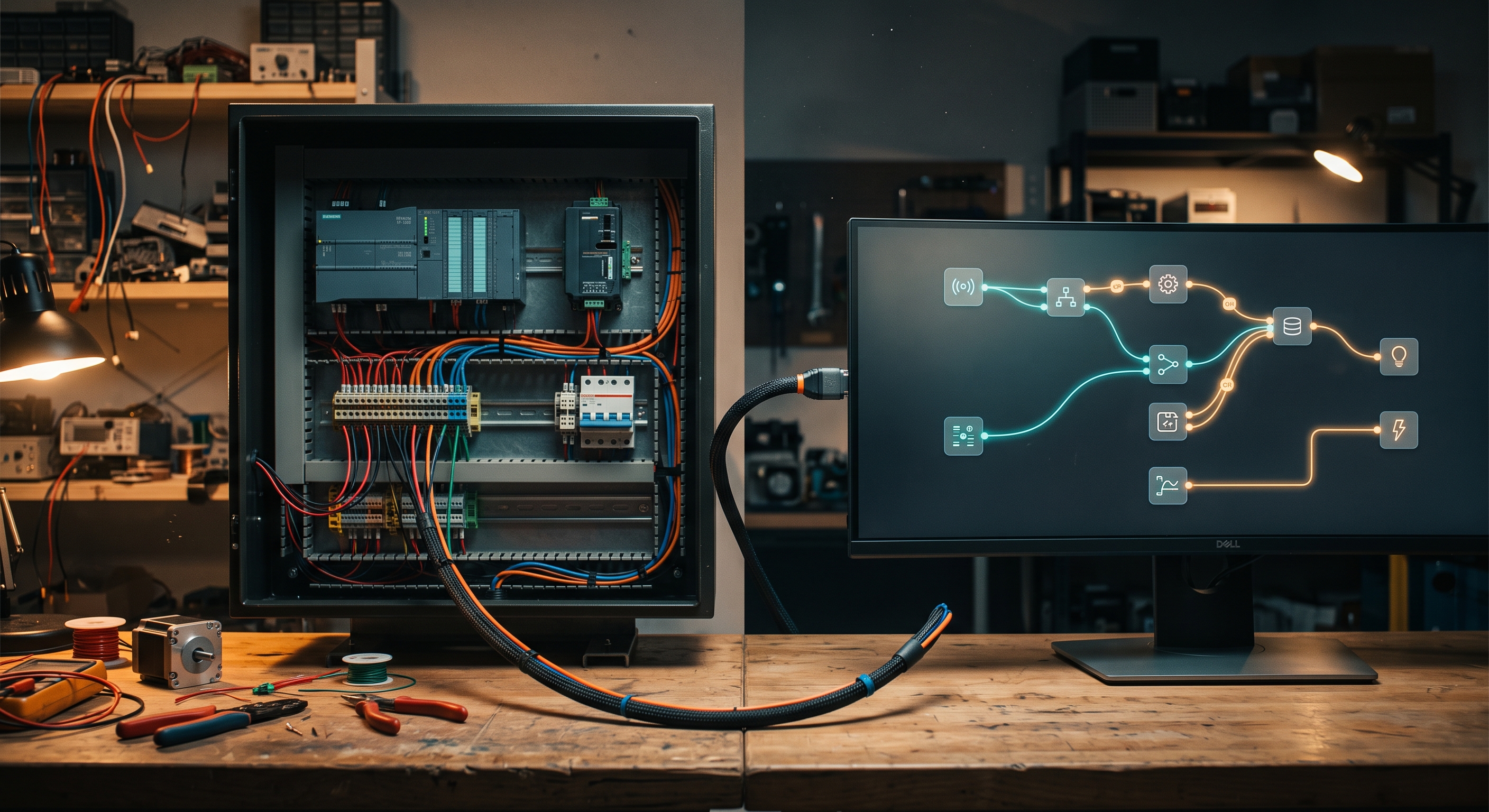
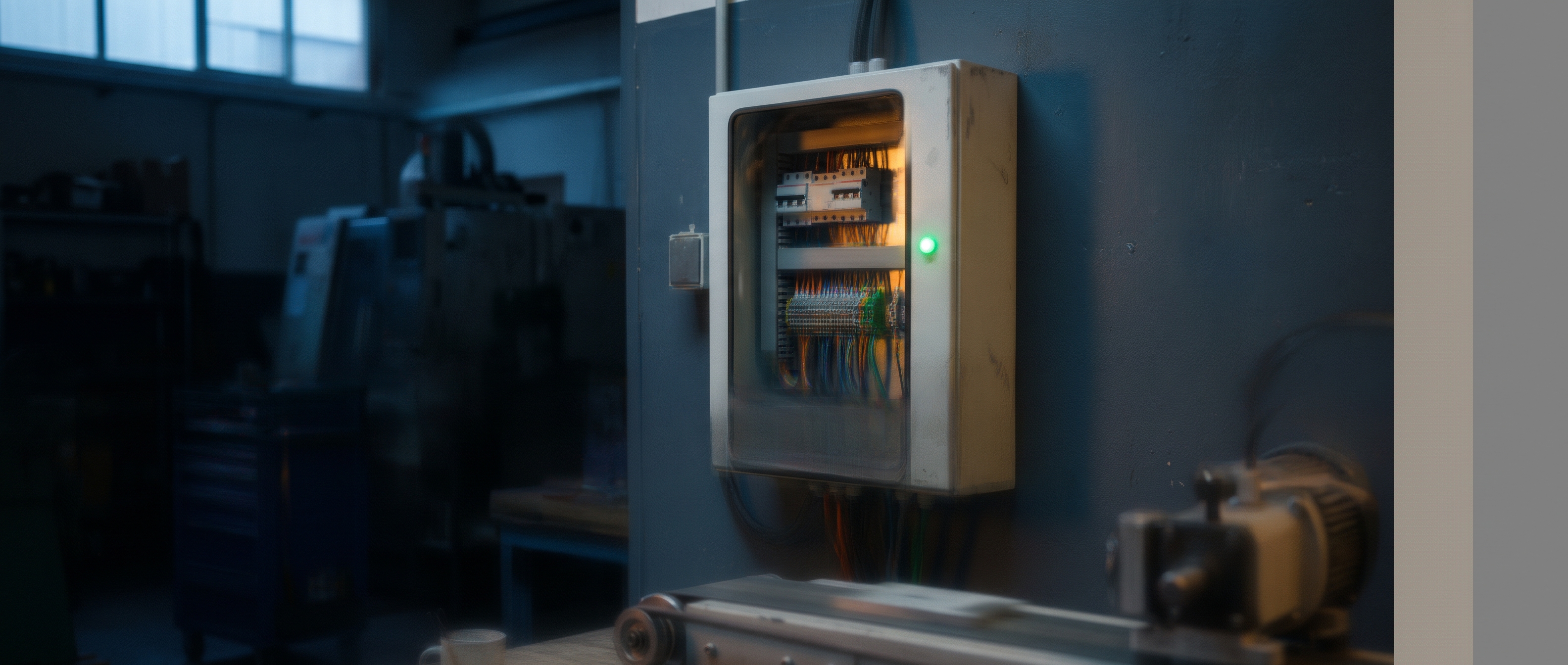
But working code does not mean you built a working system. A circuit diagram is just a diagram. It's not a functional PCB without careful assembly, power management, and real-world testing. Raw code is the same. It's a set of instructions, not a functioning, integrated whole.

The Builder's Loop

The Builder's Loop

Writing pure code is often focused on the syntax. Your head is deep in the editor. You care about the functions, the algorithms, and the clever tricks inside the file. It's an isolated view, optimizing for elegance or efficiency within a confined scope.

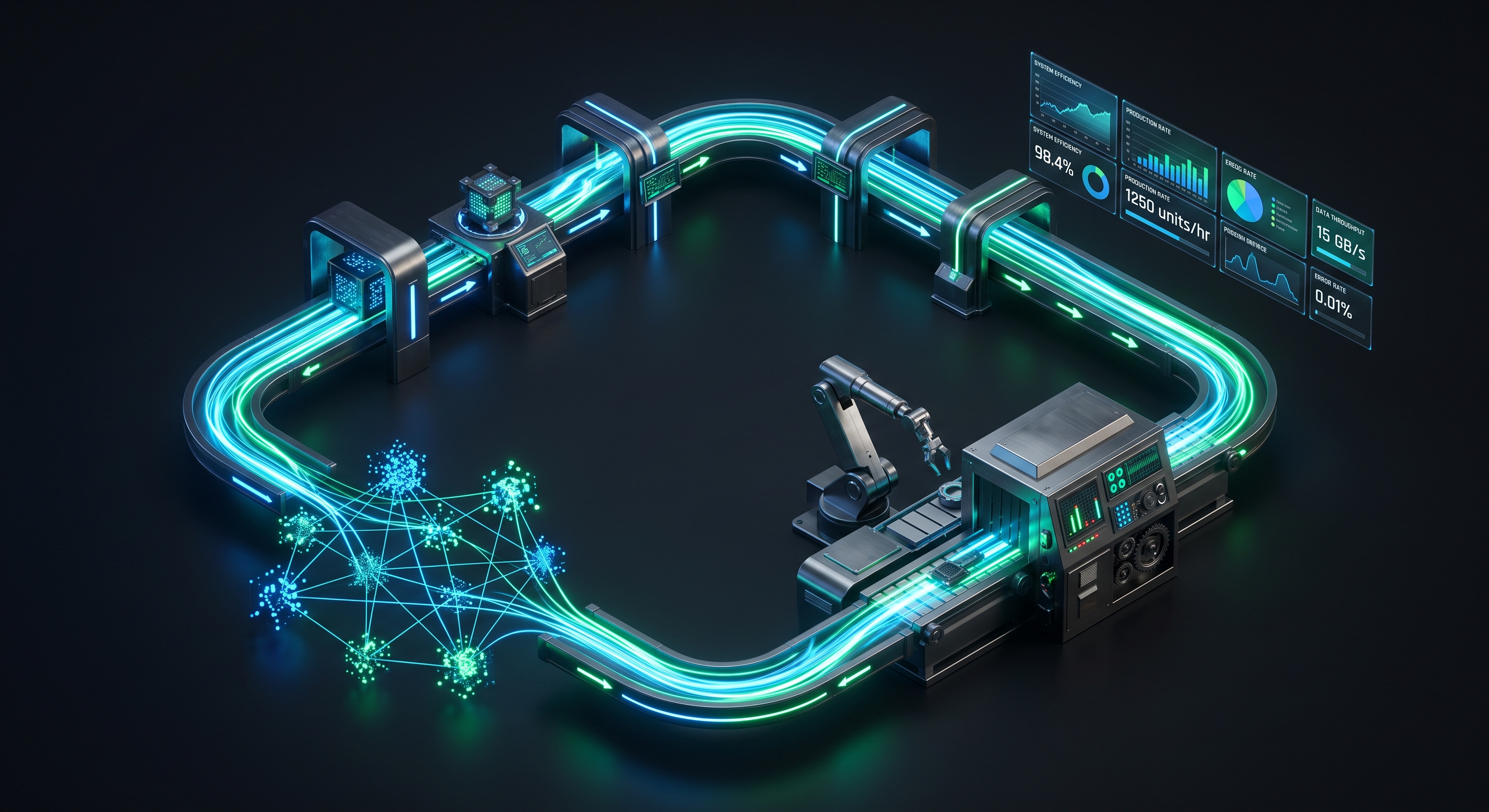
Building is completely different. When you step back, when you integrate, that's where the real engineering starts. You shift from individual components to the entire operational landscape. A builder cares about the entire loop.

Connecting the Dots

Connecting the Dots

A builder asks the hard questions, the ones that connect software to the physical or operational world. Where does the data actually live? Is it stored persistently, or will it vanish with a reboot? We're talking about more than just variables in RAM.

What happens when the server restarts or a service goes down? Unplanned downtime is a reality in any system. How does your 'code' account for unexpected interruptions? Does the system recover gracefully, or does it crash and burn like an overloaded motor? How does a non-technical person actually use this without getting stuck? User experience isn't an afterthought. If the interface is complex or confusing, your elegant code is useless. Does this solve a real problem, or did we just make a fancy script that breaks tomorrow? Impact and longevity are key metrics for a builder. We're not just writing software, we're solving problems for people and processes.

Outcome Over Output

Outcome Over Output

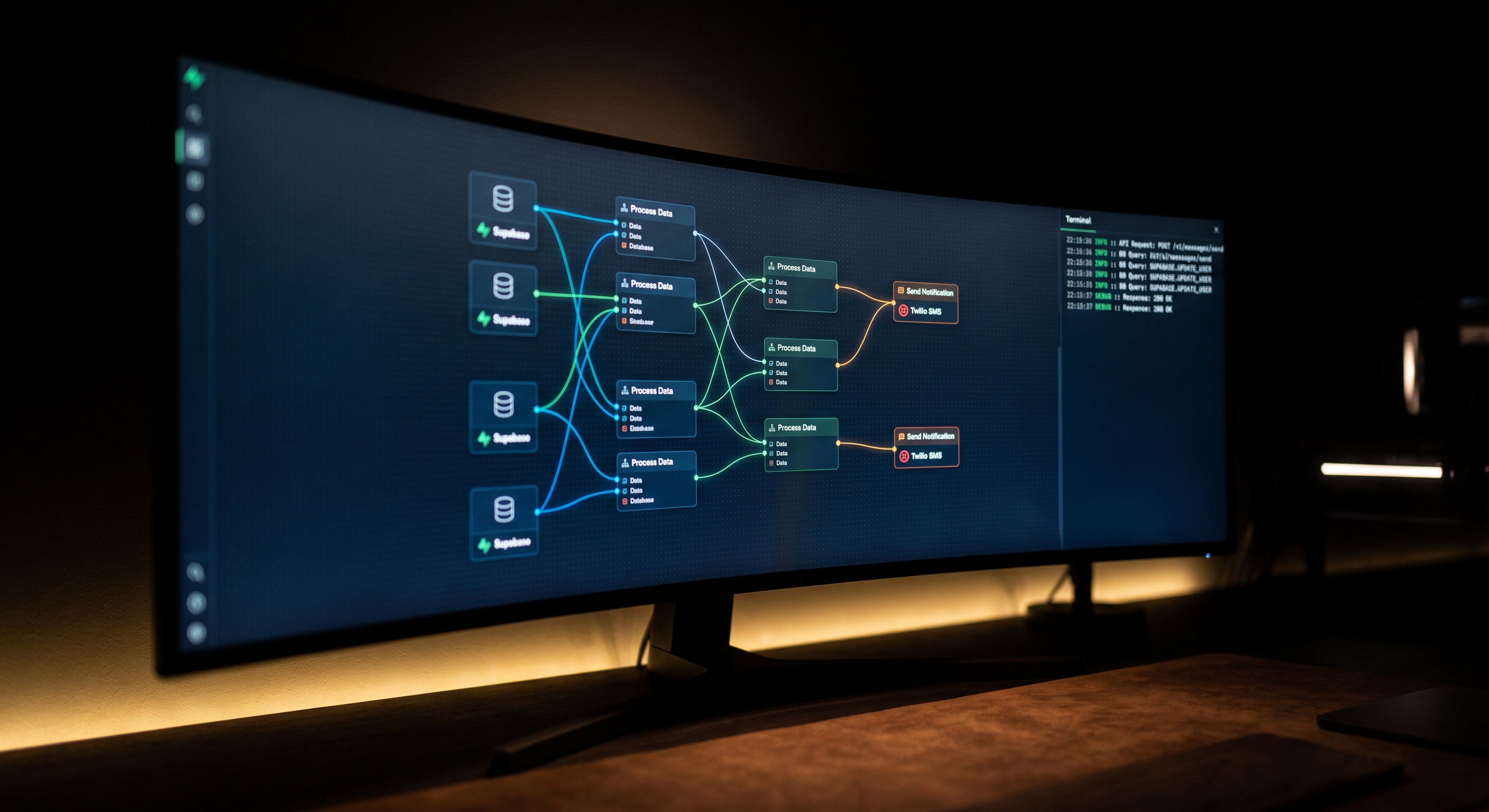
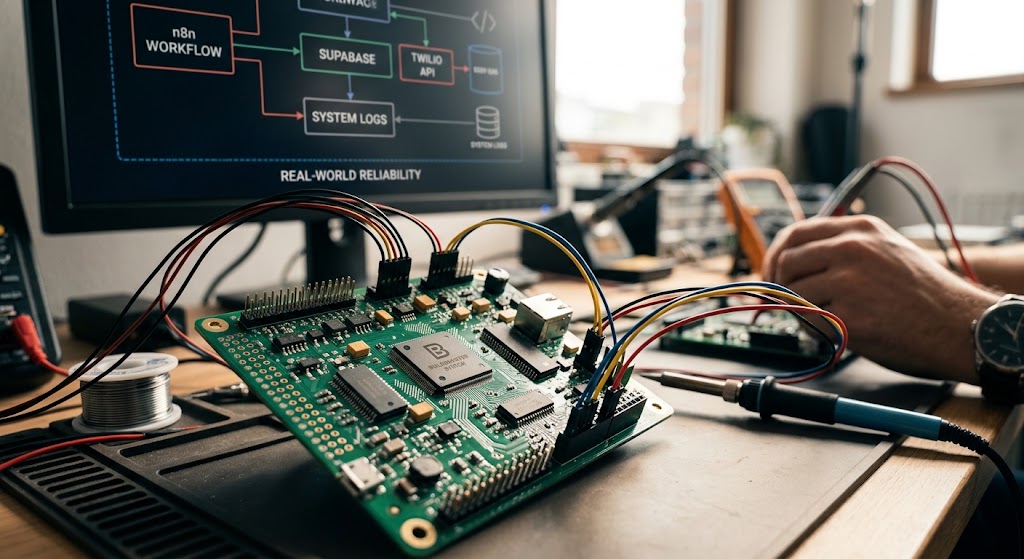
When you build, you connect things. This is the essence of mechatronics: integrating disparate parts into a cohesive, functional unit. You take a database, an automation flow, a webhook, and a simple interface, and you turn them into a reliable pipeline. It’s about creating a robust feedback system where all components work in harmony.

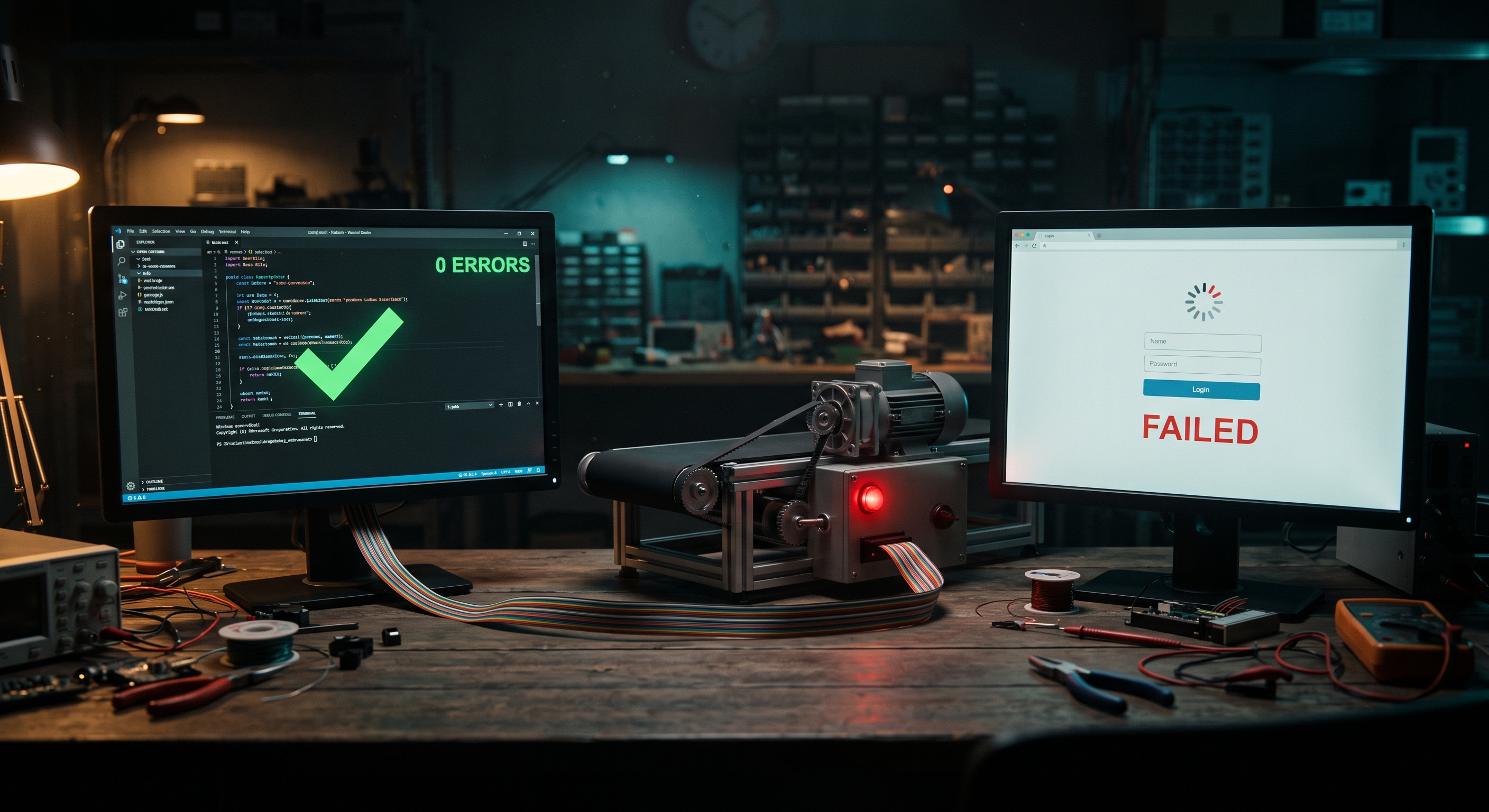
A coder might look at an error and say, 'The syntax is valid, so the code works.' Their focus is internal, on the logic within the file. A builder looks at the system and says, 'The client could not log in, so the system failed.' Their focus is external, on the operational outcome, the user's experience, the machine's performance.
The True Engineer's Focus

The True Engineer's Focus

Building is about responsibility for the whole outcome, not just the lines in an editor. It extends beyond deployment. It's about making things work reliably in the real world. That means resilience, maintainability, and actual problem-solving.

Stop worrying about writing more code. Start asking if that code is part of something bigger, something robust. Focus on building systems that hold up. That's where the real engineering lies.

← Back to Blog

System Diagnostics Request

⚡ Phase 01: Official Audit Intake $950 USD

Operator Identity

Target Entity

Technical Context

Full Infrastructure Review
Security & Logic Map
Feasibility Report
Orchestrated via n8n