
Automation Should Be Invisible: If You See It, It's Broken

2026-06-30 • automation • mechatronics • engineering • efficiency • client experience • fault tolerance • FoxOps • system design

Automation Should Be Invisible: If You See It, It's Broken

The Quiet Power of True Automation

Good automation isn't flashy. It doesn't scream for attention. You won't find it plastered across dashboards with blinking lights or generating "look, it's working!" notifications every five minutes. That's just noise. It's a distraction. When a system is truly doing its job, it simply disappears into the operation, a seamless component of a larger machine.

The best systems I've built in 14 years of this are the ones nobody notices. They just work, quietly, in the background. Think of a perfectly tuned engine. You don't hear every piston fire, every gear shift. You don't get constant alerts from its sensors during normal operation. You just feel the smooth, reliable power as the vehicle moves forward. That's the benchmark. It’s about seamless integration, not constant reassurance.

What the Client Actually Wants

On the client side, the expectation is simple: reliable results. Client doesn't want to see the workflow. He doesn't care about your intricate API calls or the complex logic running behind the scenes. He wants the brief in his texts at 6 AM, accurate, on time. His focus is on his own work, using that brief, not on monitoring its delivery mechanism.

The moment he has to think about the automation, wonder if it ran, or double-check it, it already failed at its one job. This breakdown in trust is immediate and costly. An automated process should be a fundamental utility, like electricity or plumbing. You flip the switch, the light comes on. You turn the tap, water flows. You don't check the power grid or the city's water lines every morning.

Beyond Babysitting Code

On the technical side, the definition of automation gets even clearer. If I'm staring at logs trying to figure out why a step silently dropped, that's not monitoring. That's babysitting a system that should've been fault-tolerant from day one. My expertise and my time are better spent building new solutions, optimizing performance, or innovating, not nursing old ones back to health.

A workflow that needs a human watching it isn't automated. It's manual work wearing a costume. It's like having a robot arm that requires someone to constantly adjust its grip, clear its jams, or restart its program. You've introduced a complex piece of machinery without solving the core problem of human intervention. Such a system is an operational liability, not an asset.

Engineering for Inevitable Failure

This is the whole FoxOps premise: audit-first, fault-tolerant. We design with the understanding that things will go wrong. Every mechanical system has wear points, every electrical circuit can short, every software component has potential bugs. Digital systems are no different. You build assuming it WILL break, not just hoping it won't. This proactive mindset is critical.

The crucial step is to design the recovery path before it ships. This isn't about setting up a dashboard that just tells you it broke. That's reactive. That’s a notification of failure, not a solution. It's about building a system that doesn't need you to notice. It self-heals, retries intelligently, or alerts the right person with actionable data and pre-defined remediation steps, not just a generic error code. It anticipates the failure mode and engineers around it proactively.

Rigorous Testing, Not Runtime Debugging

Invisible doesn't mean untested. Quite the opposite. It means the testing happened upstream, rigorously, before launch. We put it through its paces in controlled environments, hammered it with edge cases, and simulated every imaginable failure scenario. This upfront investment in validation is non-negotiable.

This isn't about debugging in front of the client during runtime. That's professional malpractice. You wouldn't launch a critical machine, say, a precision CNC mill, without extensive factory acceptance tests, would you? The same principle applies here. An invisible system is a thoroughly validated system. Its silence is a testament to its engineering integrity, not a sign of neglect.

The Finished Product

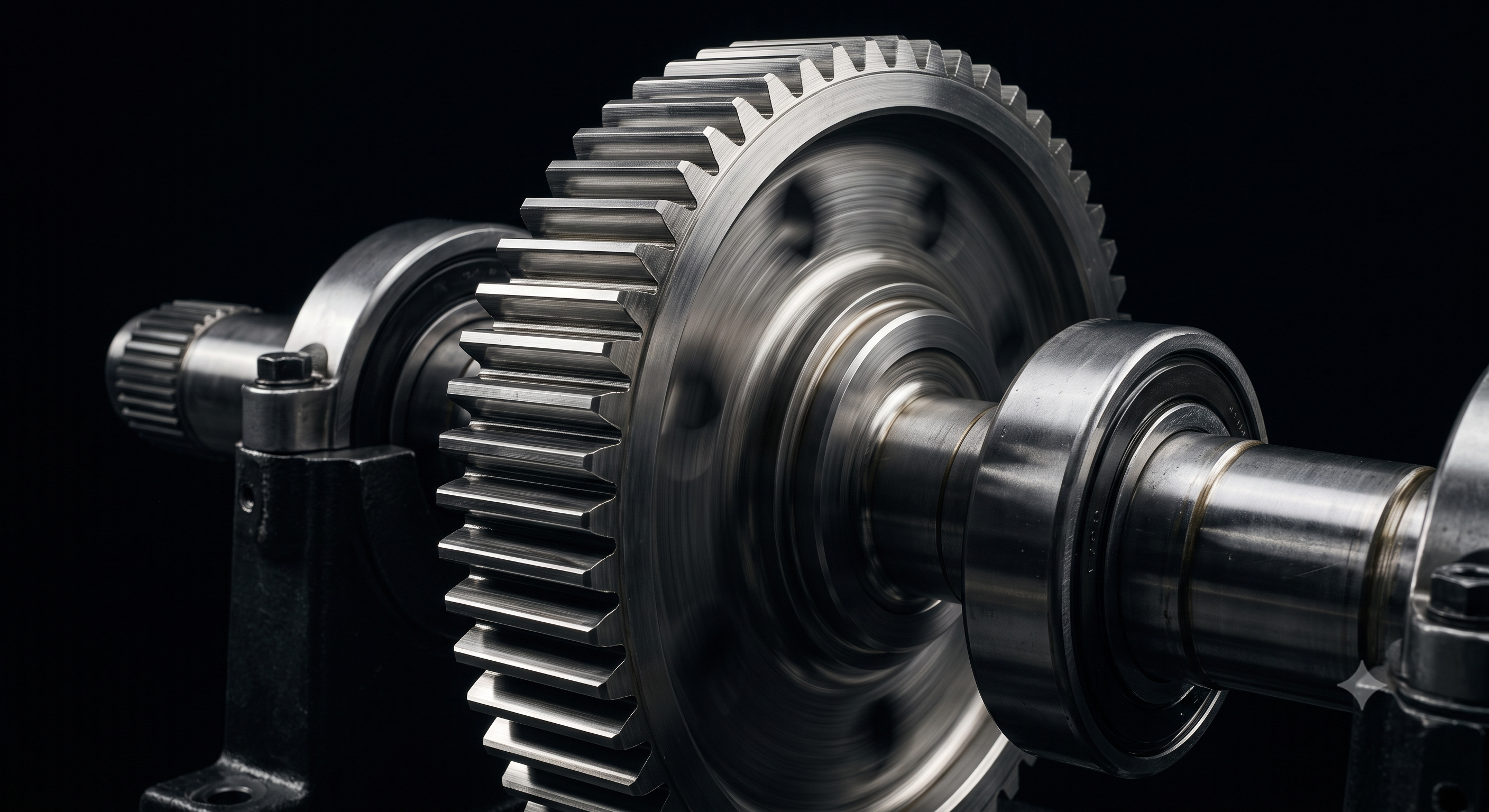
If your client can see the gears turning, you didn't finish the job. Period. A truly finished automation solution should feel like magic to the end-user. It simply delivers on its promise, reliably and consistently, without demanding their attention or understanding of its inner workings.

The complexity, the clever engineering, the robust error handling, all of it should be transparent to the end-user. When the system is truly complete, its presence is defined by its absence. It just works. That's not just a goal. It's the standard for any project I consider truly done.

← Back to Blog

System Diagnostics Request

⚡ Phase 01: Official Audit Intake $950 USD Proceed to Allocation ($950) >>

Operator Identity

Target Entity

Technical Context

Full Infrastructure Review
Security & Logic Map
Feasibility Report
Orchestrated via n8n